PRODUCT DESIGN CASE STUDY
Bent Barbell Lifting Club
Start workouts faster by removing unnecessary decisions
Role
UX/UI Designer
Timeline
3 weeks
Tools
Figma
Users hesitated before starting workouts.
Unclear next steps and too many choices caused friction.

Goal:
Guide users through booking with one clear next action
At a Glance
Problem: Users weren’t sure what to do next
Solution: Simplified, mobile-first booking flow
Focus: Reduce decision friction
Outcome: Faster, more consistent workout starts
Problem & Opportunity
Why users struggled to start workouts
The Problem


Key Insights
Users hesitated before starting workouts
Too many early choices caused drop-offs
Users hesitated before starting workouts
Too many early choices caused drop-offs
Users hesitated before starting workouts
Too many early choices caused drop-offs
Unclear Starting Point
No clear place to start.
Too Many Competing Choices
Too many competing choices.
Lack of Guidance
There was no clear step-by-step flow.
Opportunity
Create a faster start.
Guide users to a single, clear next step. Reduce friction early.
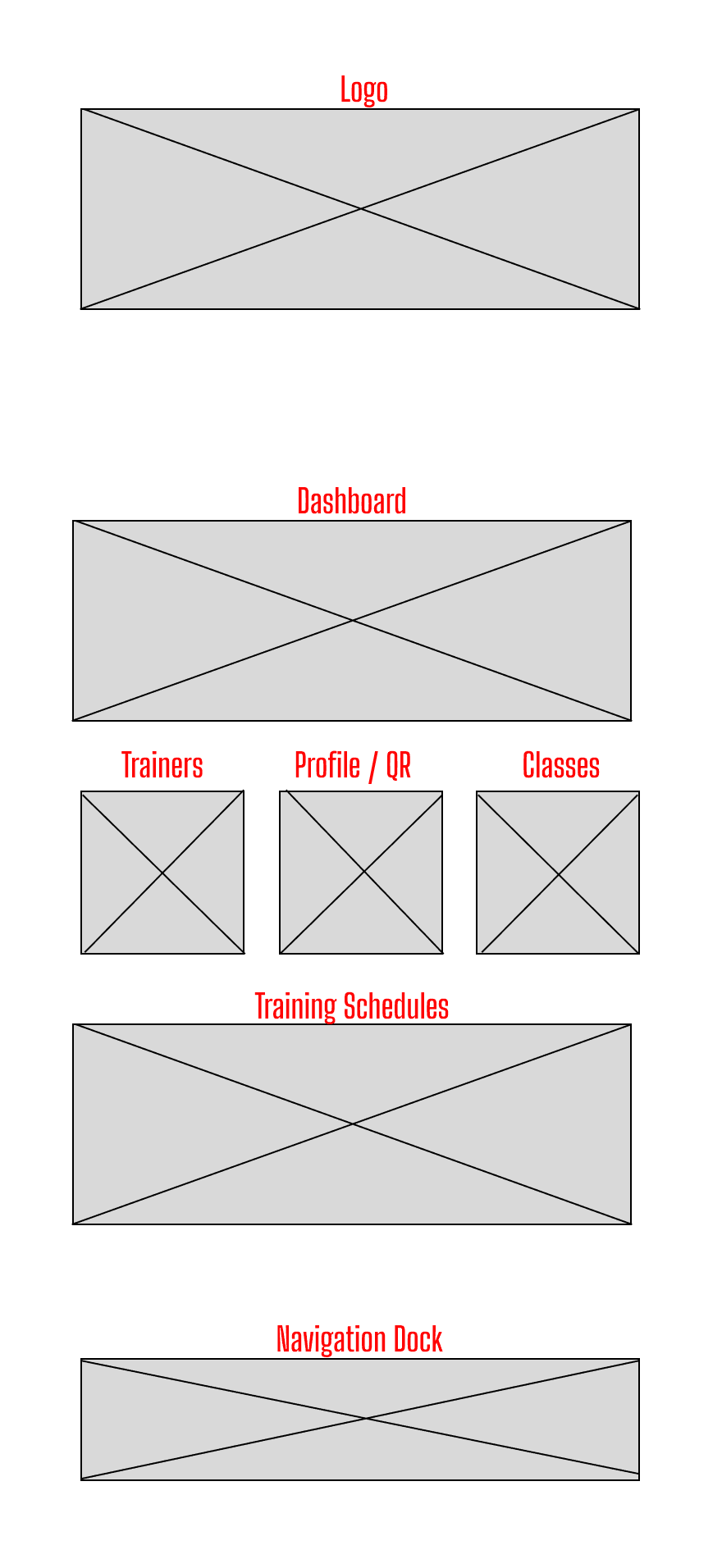
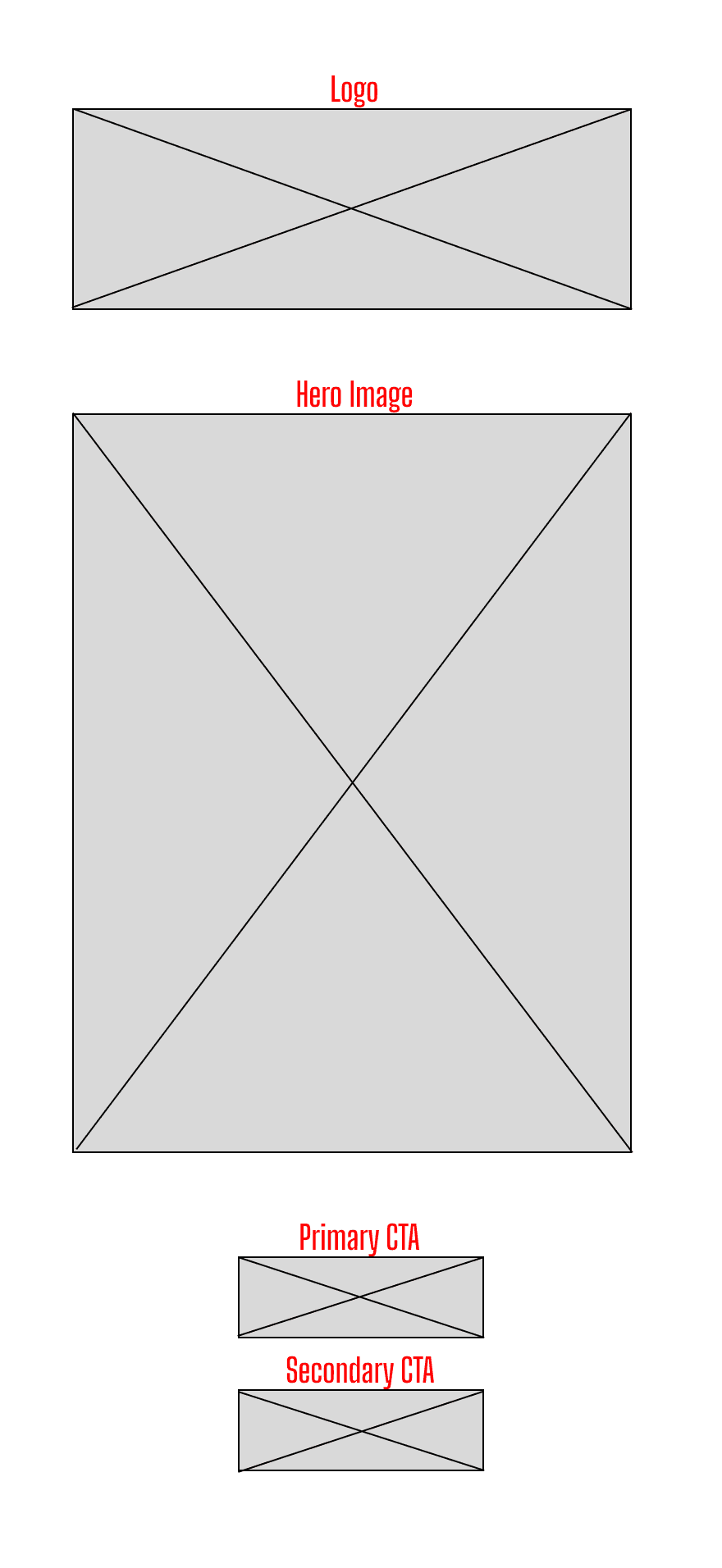
Early Wireframes
Explored layout, hierarchy, and flow before visual design.
Solution
How the experience was redesigned to remove friction
Core Design Decisions
Clear Entry Point
One primary action guided users directly into booking.
Reduced Choices
Grouped content lowered cognitive load and sped
decisions.
Guided Flow
Clear steps helped users move forward with confidence.
Clear Entry
Reduced Choices
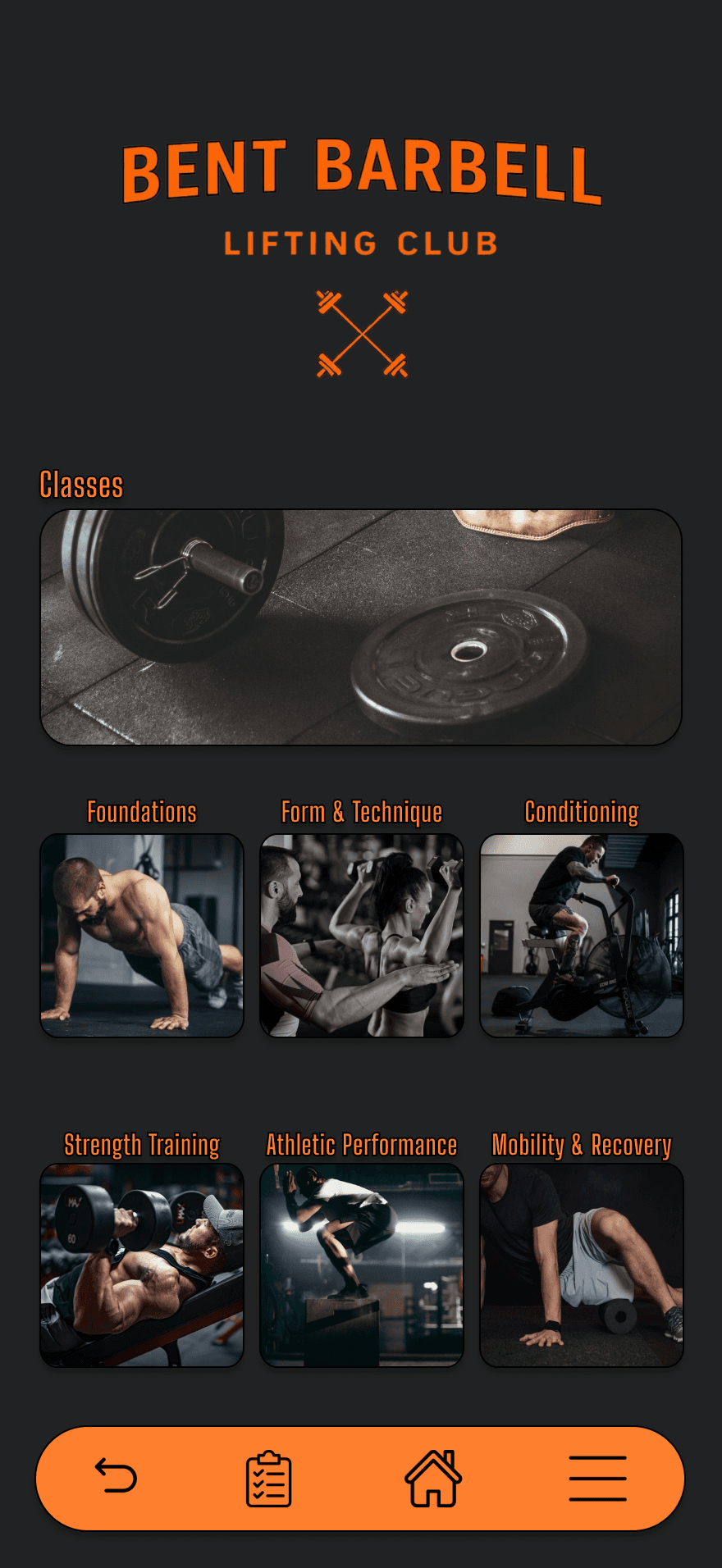
Guided Flow
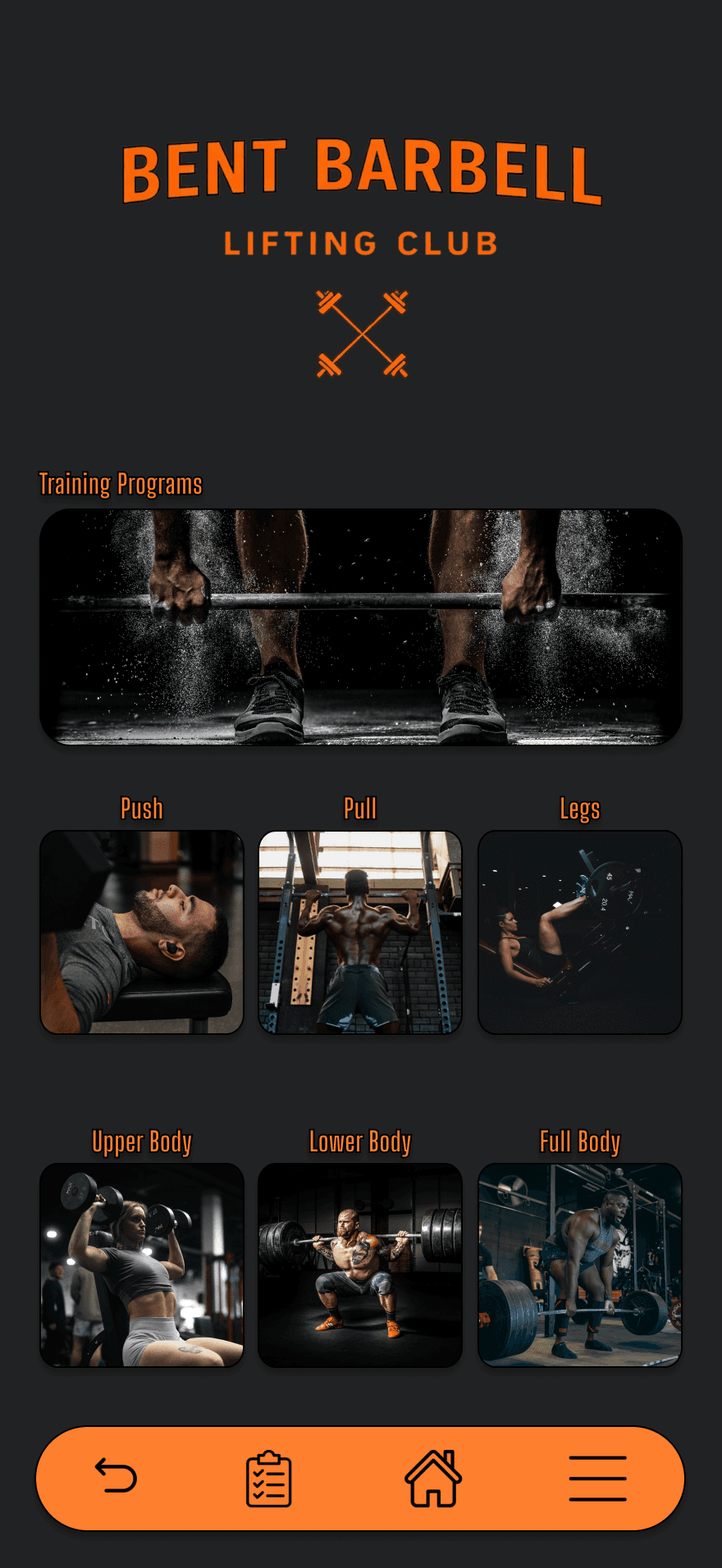
Focused on clarity over flexibility
Removed early friction to increase completion rates.
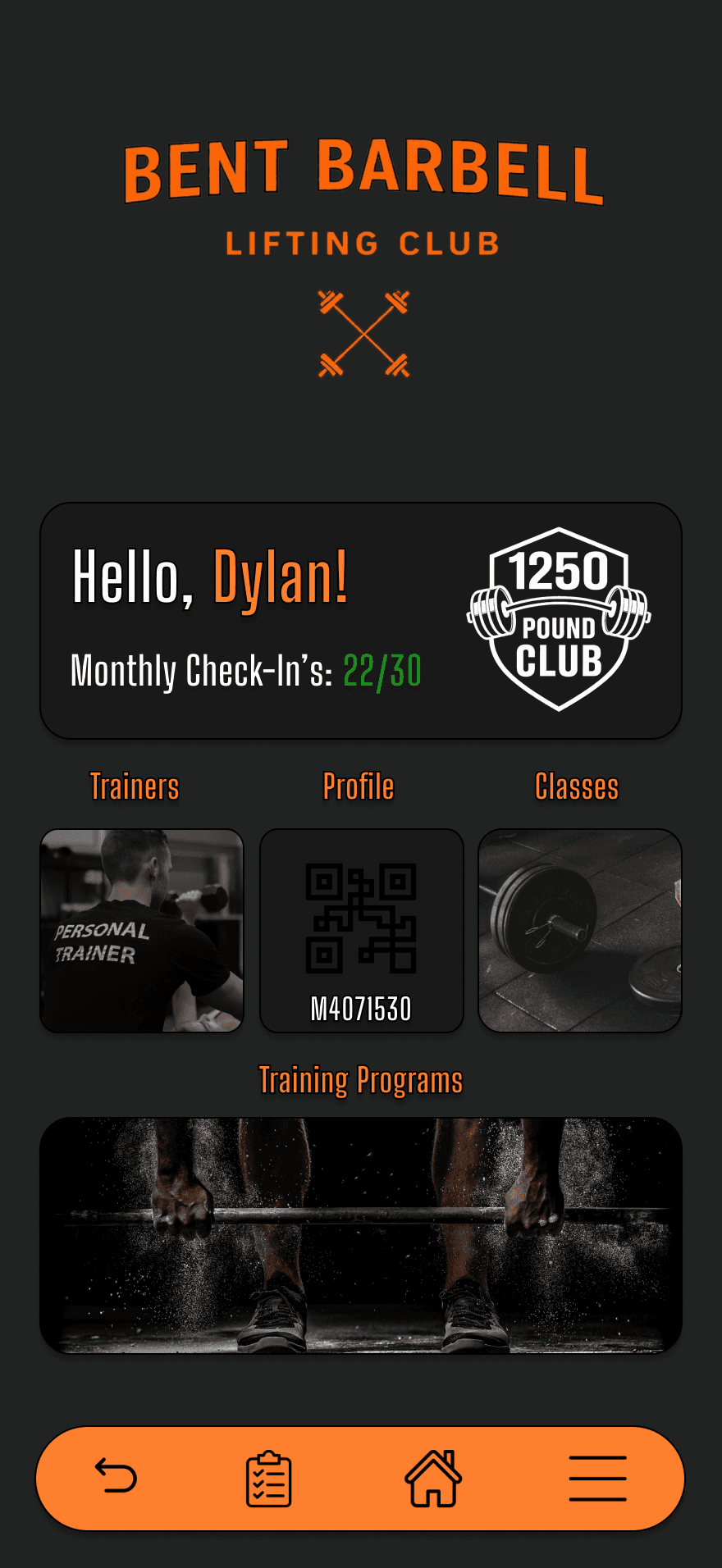
Key Designs
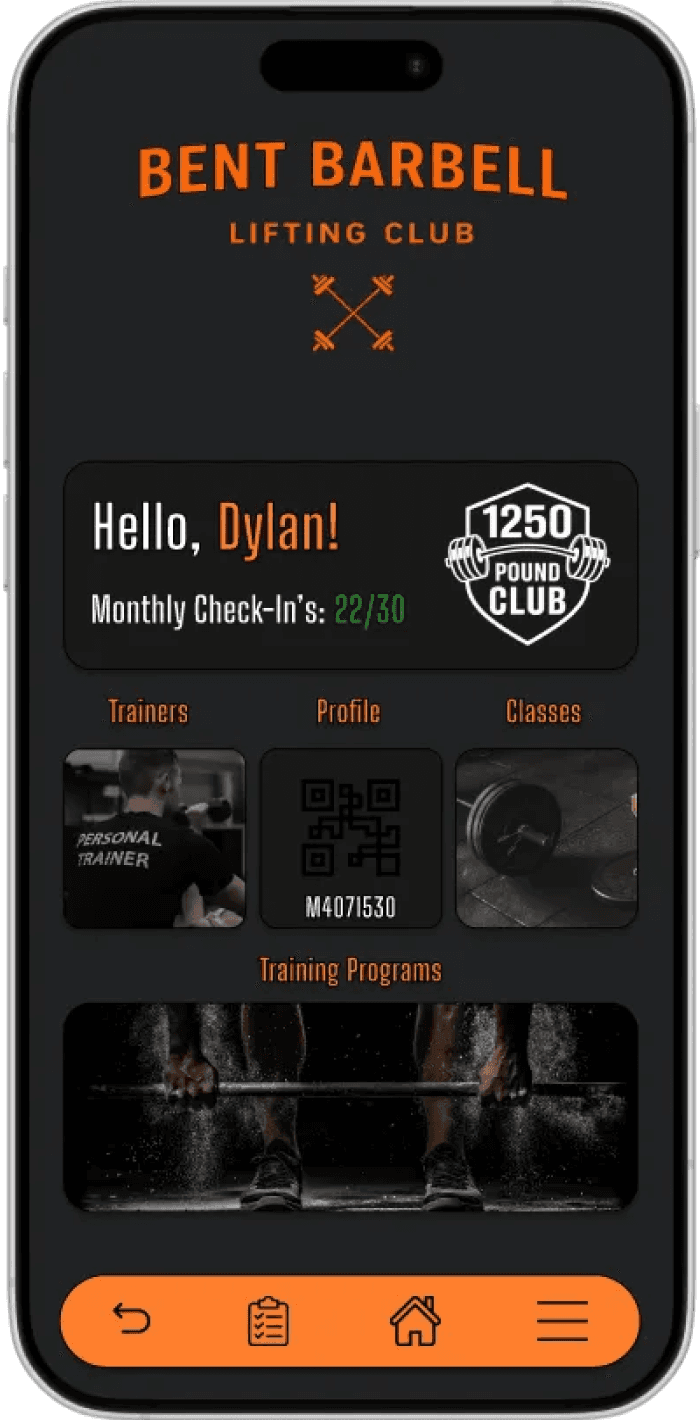
Final interface focused on clarity, speed, and guided
decisions
Core Design Decisions
Clear Entry
One clear action removes hesitation.
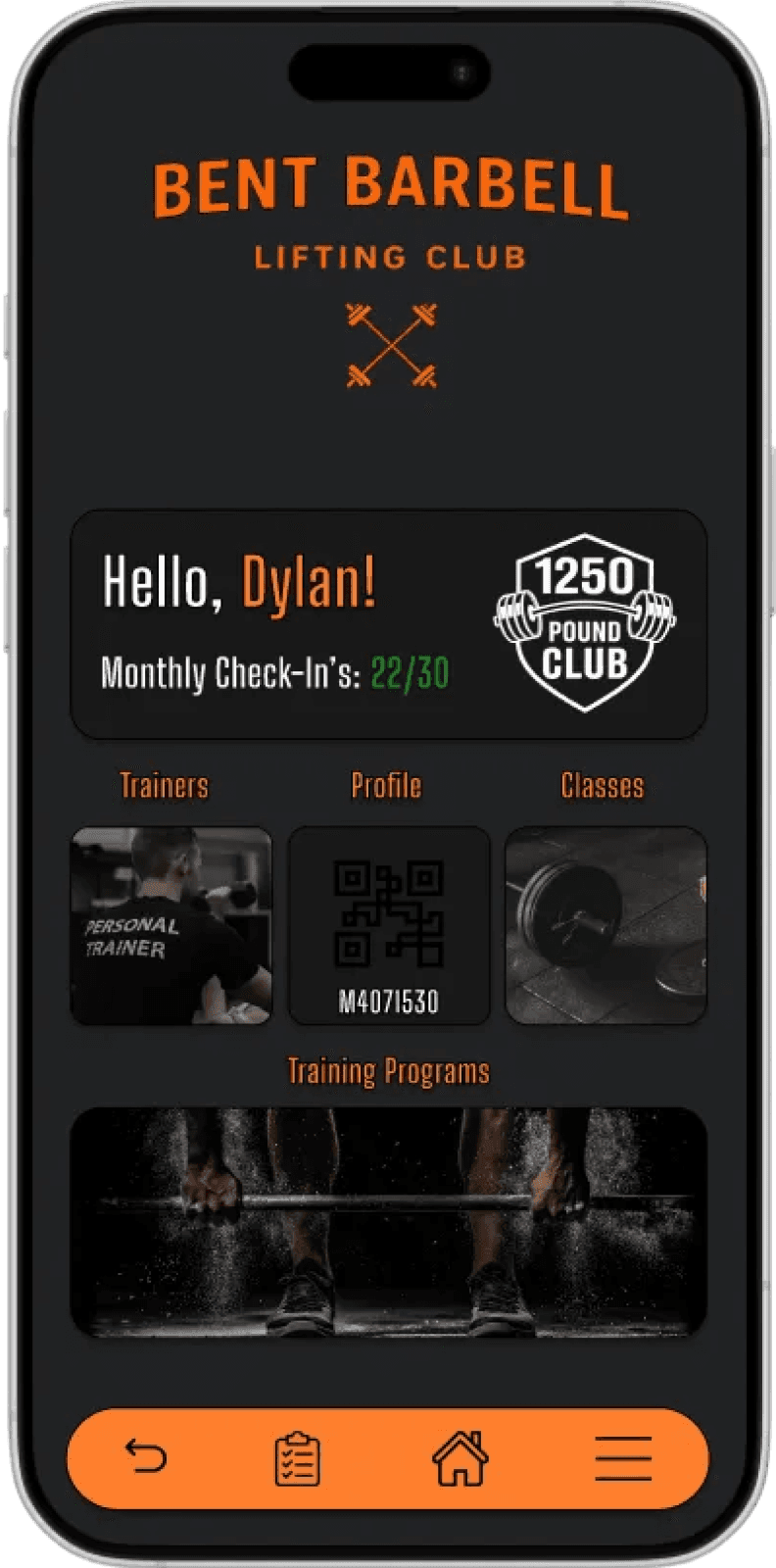
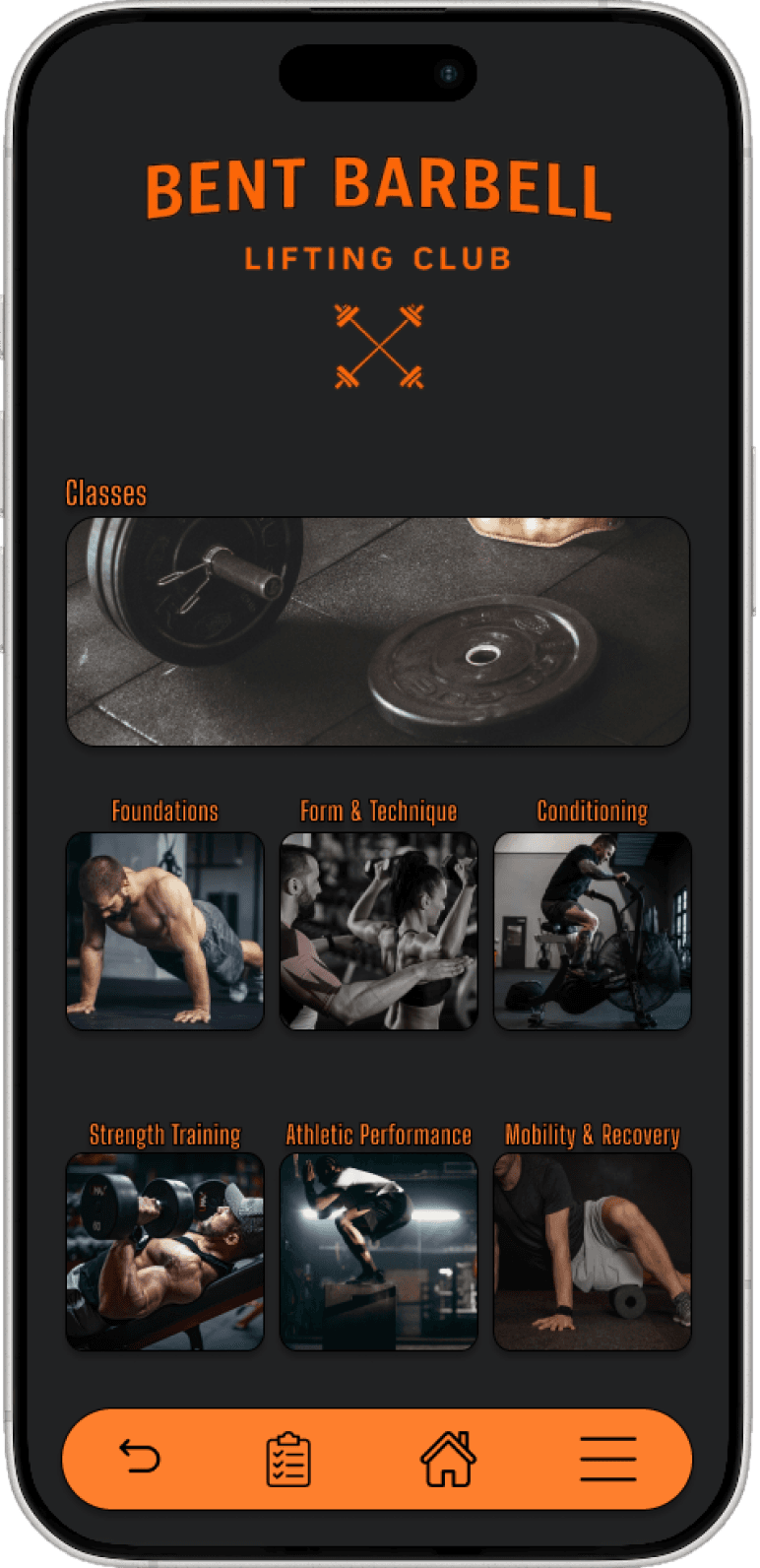
Reduced Choices
Grouped content speeds decisions.
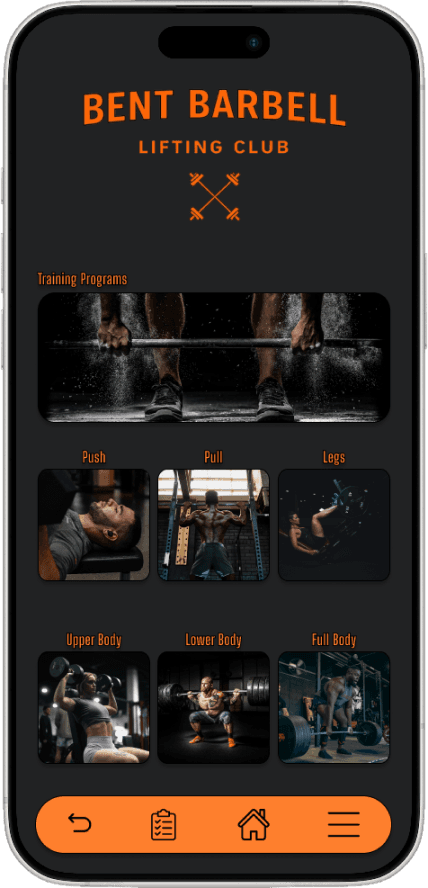
Guided Flow
Clear steps reduce drop-off.
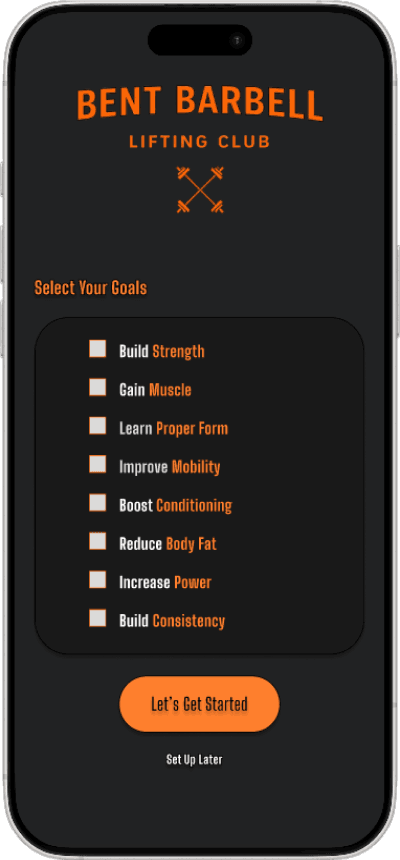
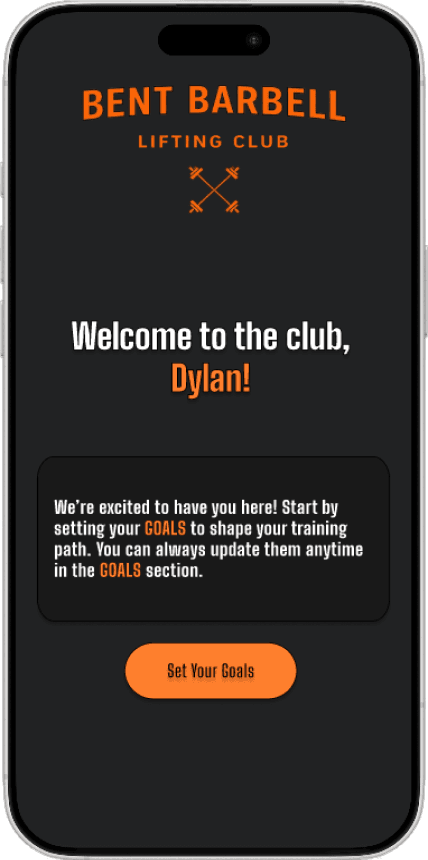
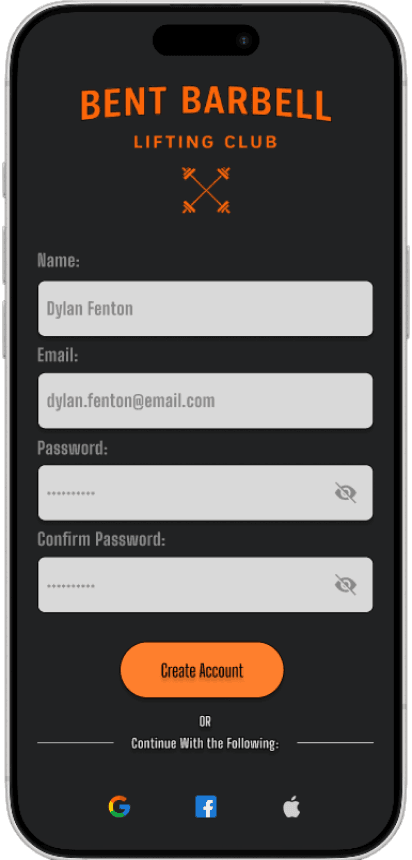

Additional Flows
Designed for clarity and faster completion
Validation & Impact
How I tested the solution and what improved.
Validation Results
Conducted lightweight usability testing with 7 users to evaluate clarity and booking flow.
Faster workout starts
Less hesitation at entry
More intuitive navigation
Key Learnings
Clear direction drives faster action
Users responded best to one clear next step.
Too many choices slow decisions
Reducing early friction improved completion.
Guided steps reduce drop-off
Users stayed on track through the flow.
Designed for speed, clarity & confidence
Reducing friction early improved completion and maintained momentum.
Reflection & Next Steps
What I learned and how I’d improve the experience.
What I Learned
Clear direction outperforms too many choices
Structured flows reduce hesitation
Simplicity drives faster outcomes
What I’d Improve
Personalized workout recommendations
Progress tracking for consistency
Larger usability test group
If I Had More Time
A/B test different entry points
Validate long-term retention
Refine microinteractions
Clarity early in the journey drives stronger completion and momentum.
Problem & Opportunity
Why users struggled to start workouts
The Problem
Key Insights
Users hesitated before starting workouts
Too many early choices caused drop-offs
Unclear Starting Point
No clear place to start.
Too Many Competing Choices
Too many competing choices.
Lack of Guidance
There was no clear step-by-step flow.
Opportunity
Create a faster start.
Guide users to a single, clear next step. Reduce friction early.
Early Wireframes
Explored layout, hierarchy, and flow before visual design.
Solution
How the experience was redesigned to remove friction
Core Design Decisions
Clear Entry Point
One primary action guided users directly into booking.
Reduced Choices
Grouped content lowered cognitive load and sped
decisions.
Guided Flow
Clear steps helped users move forward with confidence.
Clear Entry
Reduced Choices
Guided Flow
Focused on clarity over flexibility
Removed early friction to increase completion rates.
Key Designs
Final interface focused on clarity, speed, and guided
decisions
Core Design Decisions
Clear Entry
One clear action removes hesitation.
Reduced Choices
Grouped content speeds decisions.
Guided Flow
Clear steps reduce drop-off.
Additional Flows
Designed for clarity and faster completion
Validation & Impact
How I tested the solution and what improved.
Validation Results
Conducted lightweight usability testing with 7 users to evaluate clarity and booking flow.
Faster workout starts
Less hesitation at entry
More intuitive navigation
Key Learnings
Clear direction drives faster action
Users responded best to one clear next step.
Too many choices slow decisions
Reducing early friction improved completion.
Guided steps reduce drop-off
Users stayed on track through the flow.
Designed for speed, clarity & confidence
Reducing friction early improved completion and maintained momentum.
Reflection & Next Steps
What I learned and how I’d improve the experience.
What I Learned
Clear direction outperforms too many choices
Structured flows reduce hesitation
Simplicity drives faster outcomes
What I’d Improve
Personalized workout recommendations
Progress tracking for consistency
Larger usability test group
If I Had More Time
A/B test different entry points
Validate long-term retention
Refine micro-interactions
Clarity early in the journey drives stronger completion and momentum.
PRODUCT DESIGN CASE STUDY
Bent Barbell Lifting Club
Start workouts faster by removing unnecessary decisions
Role
UX/UI Designer
Timeline
3 weeks
Tools
Figma
Users hesitated before starting workouts.
Unclear next steps and too many choices caused friction.
Goal:
Guide users through booking with one clear next action
At a Glance
Problem: Users weren’t sure what to do next
Solution: Simplified, mobile-first booking flow
Focus: Reduce decision friction
Outcome: Faster, more consistent workout starts
Solution
Reducing Decision Friction in the Booking Flow
Core Design Decisions
I simplified the booking flow by reducing decision points and guiding users toward a single clear action at each step.
Clear entry point
Reduced choices
Guided flow
Reduced options early to increase completion rates
Clear Starting Point
Why: Users didn’t know where to begin
What I Did: I introduced a single primary entry point to remove hesitation and create immediate direction
Impact: Removed hesitation at the first step

1
2
Focused on clarity over flexibility
Reduced Choice Overload
Why: Too many competing options caused decision fatigue
What I Did: I grouped options, using progressive disclosure to simplify decisions
Impact: Faster decision-making
3
Guided Step-by-Step Flow
Why: Users weren’t guided through the process
What I Did: I structured the flow into clear steps, helping users move forward without hesitation
Impact: Lower drop-off mid-flow
Validation & Impact
Reducing Decision Friction in the Booking Flow
Validation Results
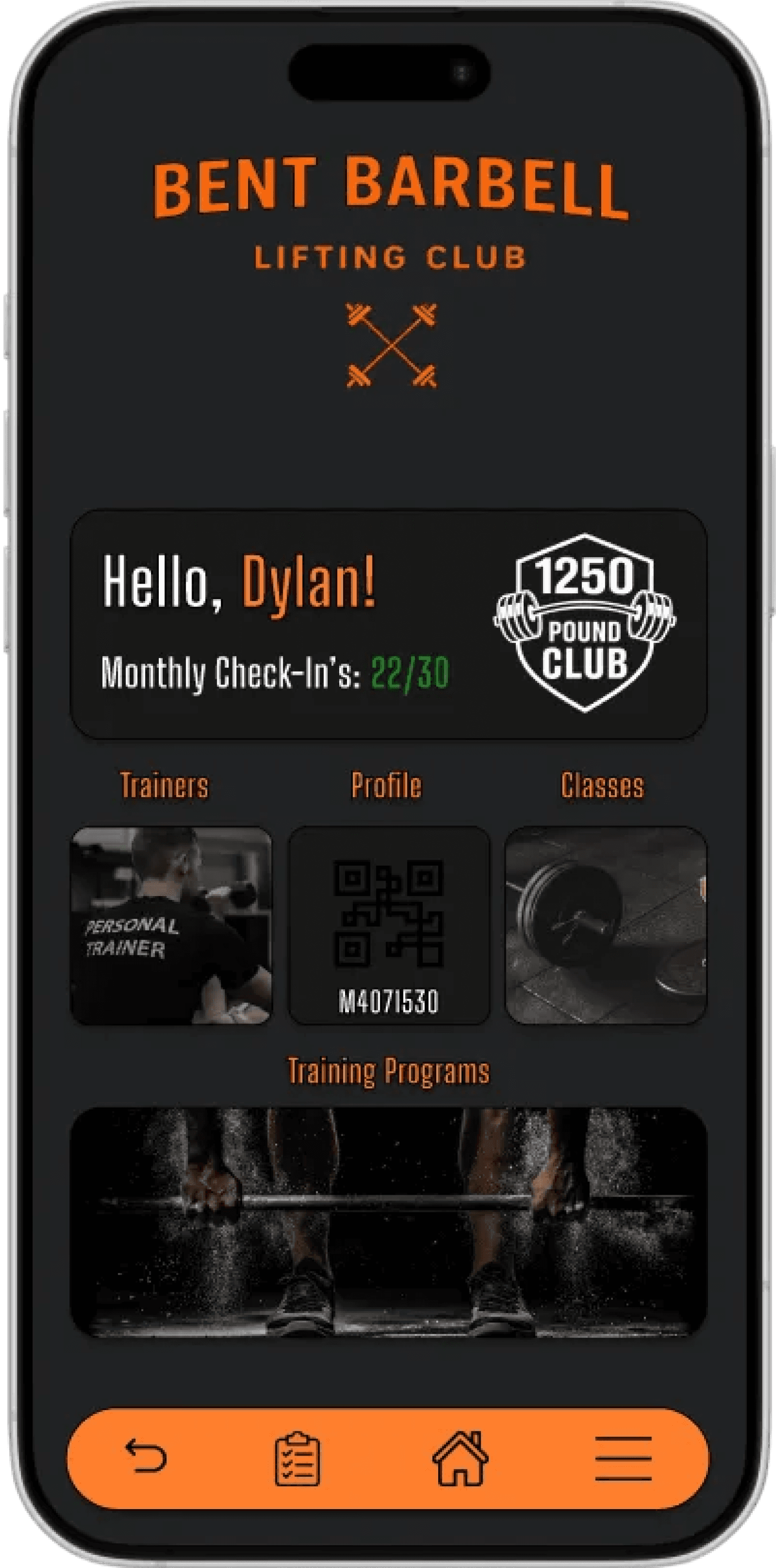
Validated Entry Experience
Key Learnings
How I validated the solution and what improved
Conducted lightweight usability testing (7 users) to validate clarity and booking flow
Clear direction drives faster action
Users responded better when presented with a single clear next step
Early choice overload slows decision-making
Reducing friction early improved completion and user momentum
Structured guidance reduces drop-off
Step-by-step structure helped users stay on track through the flow
Users started workouts faster with fewer decisions
Hesitation at the first step decreased
Navigation felt more intuitive and predictable
Reducing early friction improved completion and maintained user momentum through the flow
Impact
Designed for speed, clarity, and confidence
Reflection & Next Steps
Reducing Decision Friction in the Booking Flow
What I Learned
Reducing early decision points has the biggest impact on user momentum
Clear direction is more valuable than offering too many choices
Structured flows improve confidence and reduce hesitation
Simplicity often leads to faster and more consistent outcomes
What I’d Improve
Introduce personalized workout recommendations based on user goals
Add progress tracking to reinforce consistency and engagement
Test the experience with a larger and more diverse user group
Explore subtle flexibility later in the flow without reintroducing friction
If I Had More Time
Validate long-term retention impact beyond first session completion
A/B test different entry points to optimize conversion further
Refine microinteractions to improve perceived responsiveness
What I learned and how I would improve the experience further
This project reinforced that prioritizing clarity early in the experience drives stronger completion rates and more consistent user momentum throughout the flow.
Problem & Opportunity
Reducing Decision Friction in the Booking Flow
The Problem
Key Insights
Users hesitated before starting workouts, causing drop-offs and lower engagement.
Why users struggled to start workouts
Early wireframes
Explored layout, hierarchy, and entry points before visual design
The booking flow introduced too many decisions early, with unclear options and no defined starting point.
Simplify choices and structure the flow to guide users directly into a workout
Unclear Starting Point
Users didn’t know where to begin, causing hesitation before action
Too Many Competing Choices
Users faced multiple options without prioritization, leading to decision fatigue
Lack of Guidance Through Flow
Users weren’t guided step-by-step, increasing drop-off mid-process
Why It Matters
Drop-offs: Users abandoned the flow before starting a workout
Decision fatigue: Too many choices caused users to delay or avoid starting entirely
1
2
3
The Opportunity
Guide users to a single, clear next step
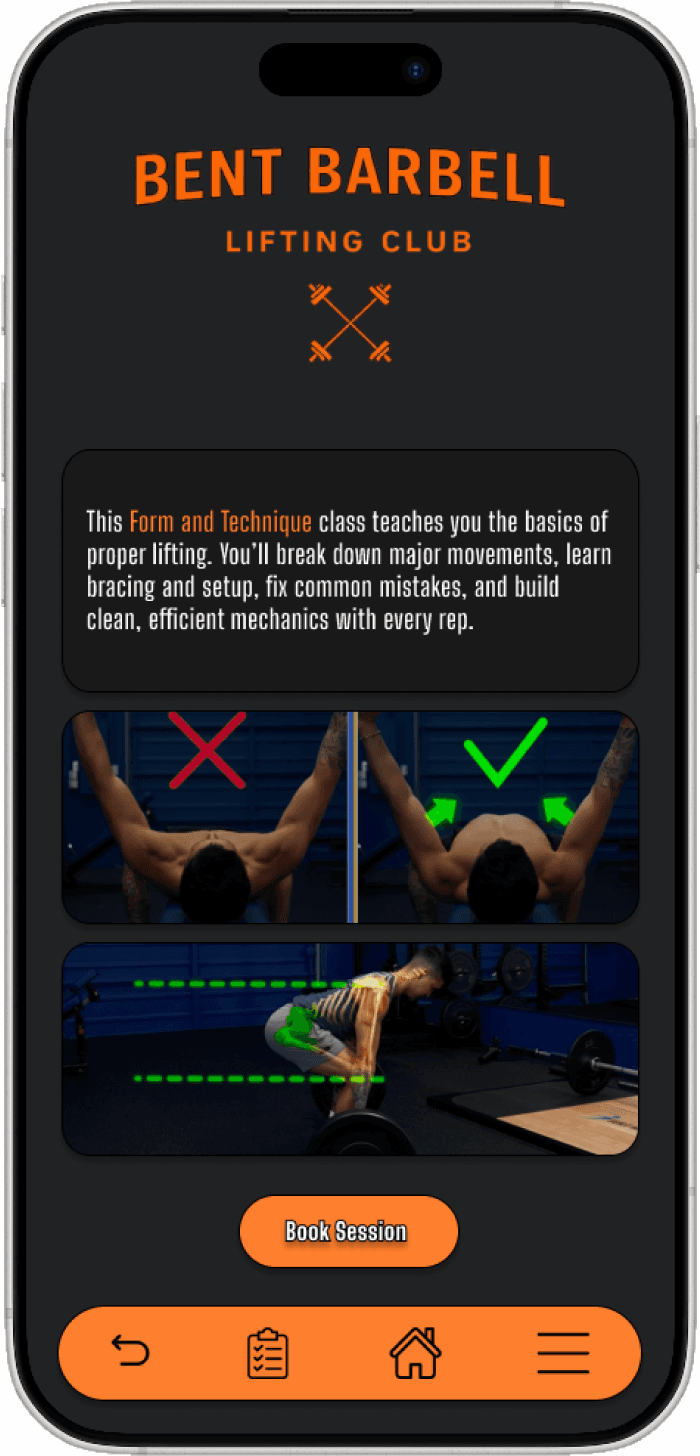
Key Designs
Breaking down the core decisions behind the final interface
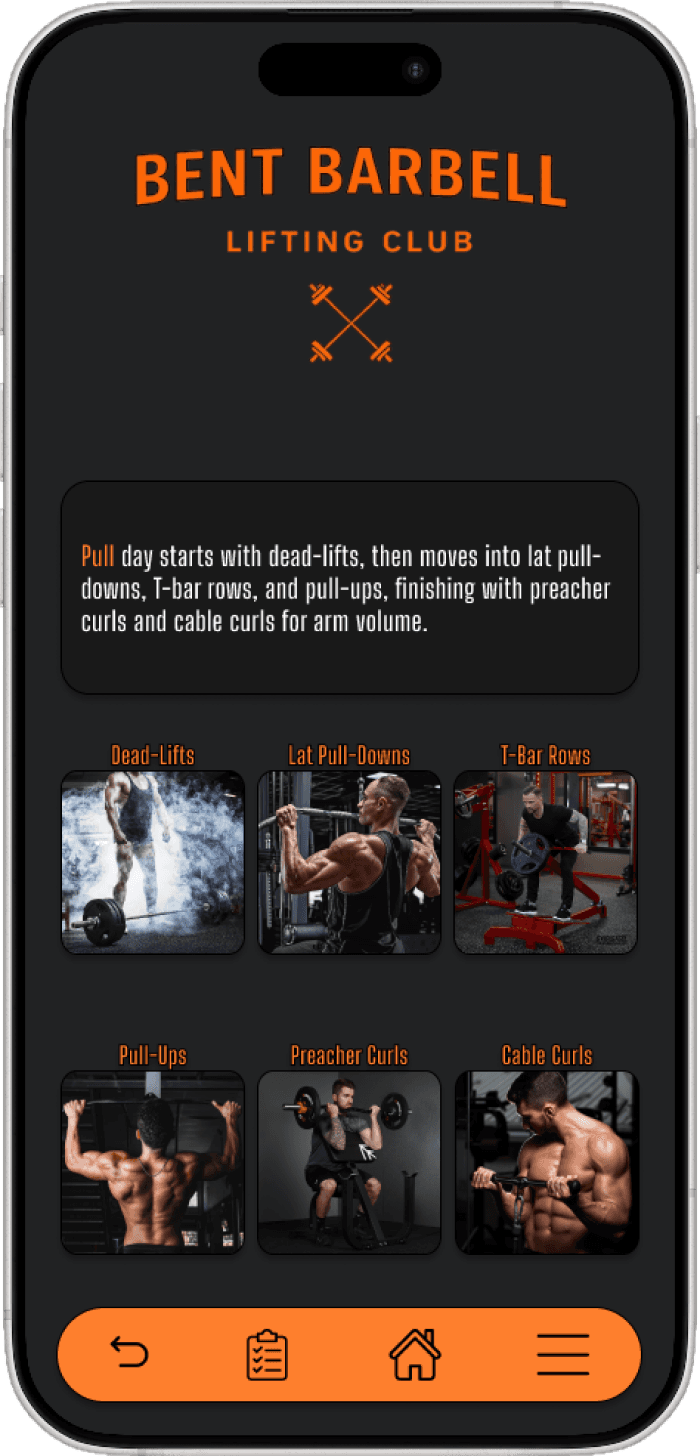
Final interface focused on clarity, speed, and guided decision-making
Clear Entry
Point
Reduced Choice Overload
Guided Step-by-Step Flow
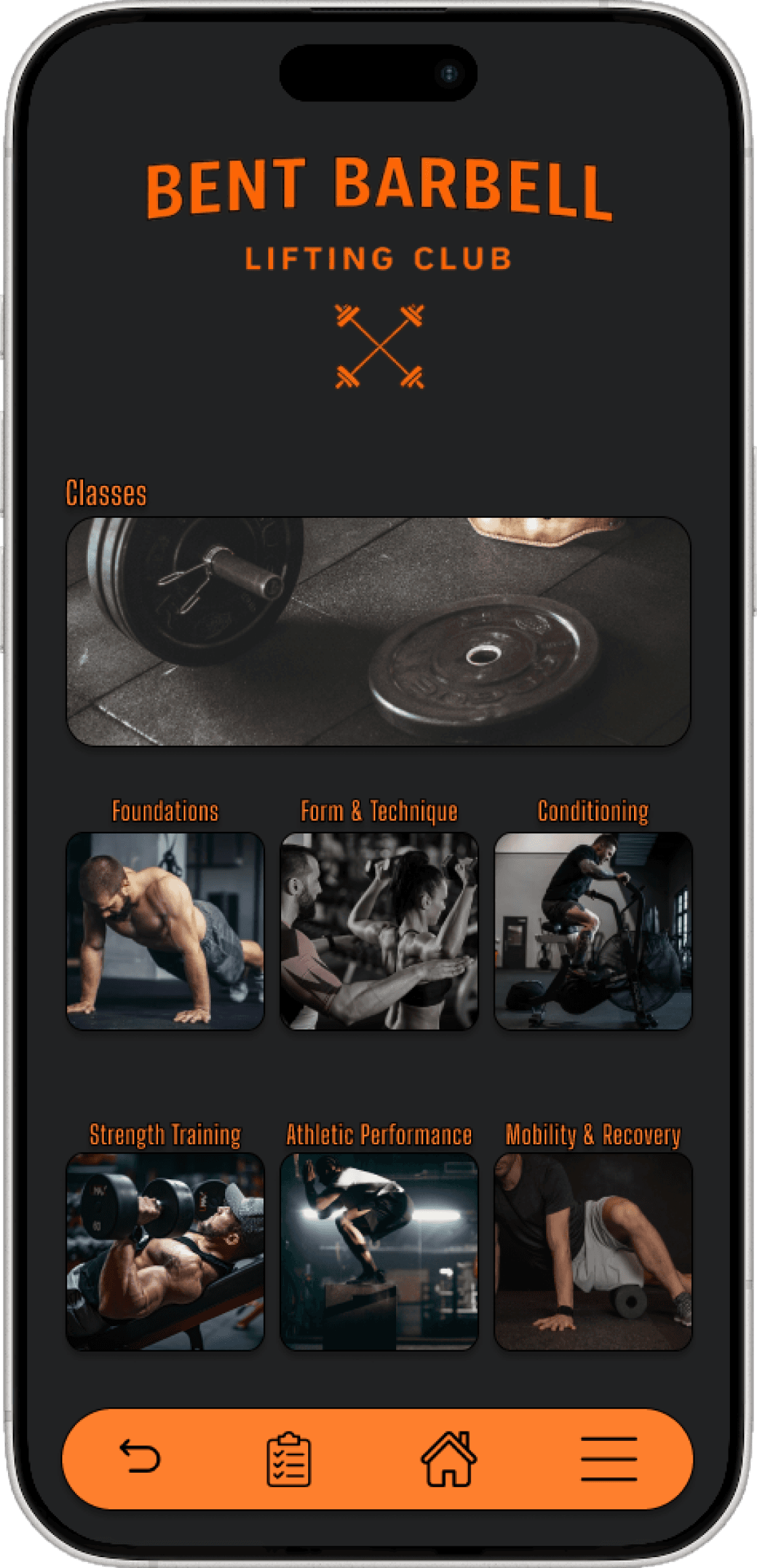
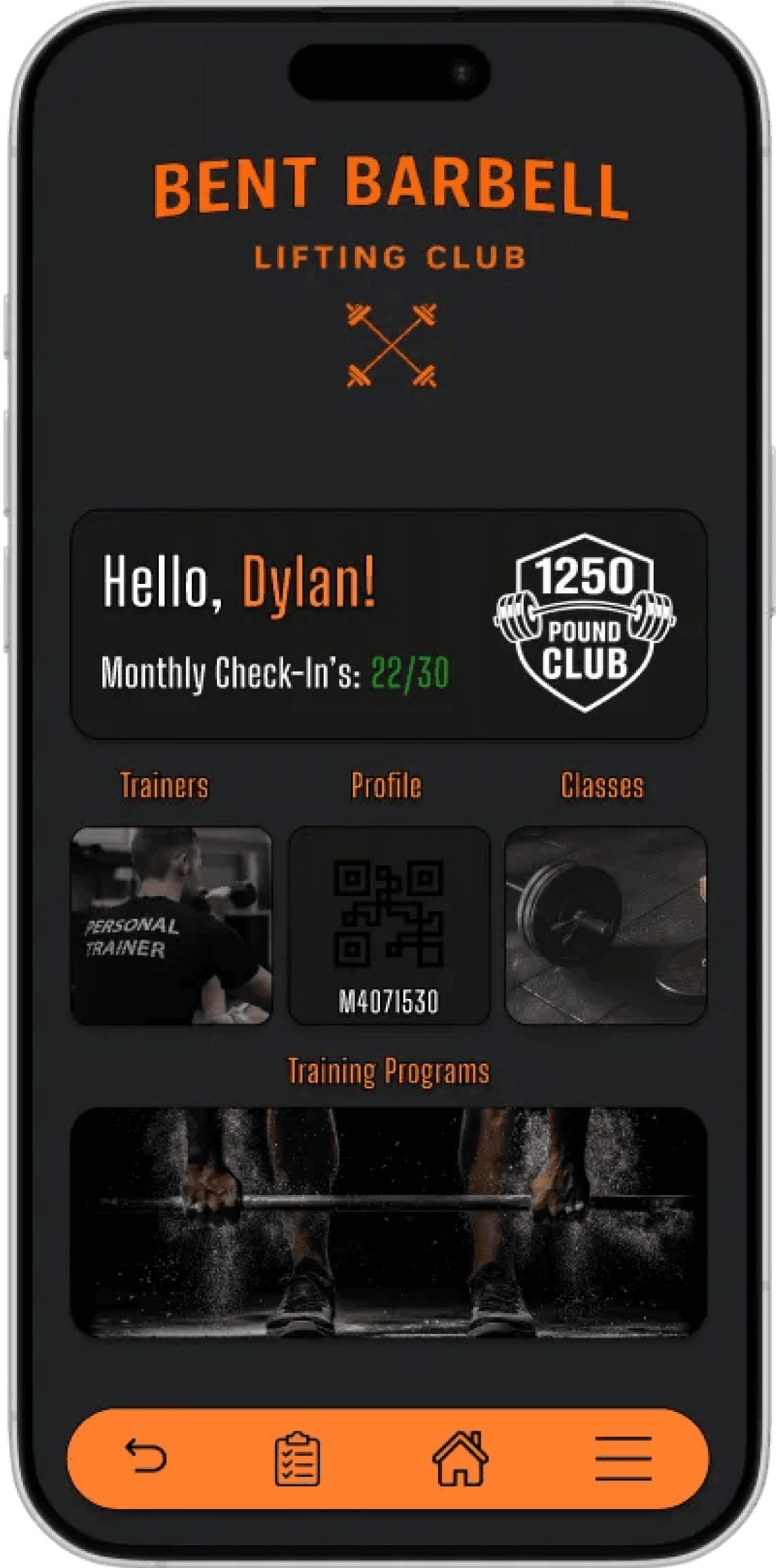
Introduced a single primary action to guide users directly into the booking flow
Grouped and simplified content to reduce cognitive load and speed up decisions
Structured the experience into clear steps to reduce drop-off
Additional Flows
Prioritized clarity and speed to drive faster completion
Users hesitated before starting workouts
due to unclear next steps and too many choices
The booking flow introduced friction early, making it harder for users
to begin quickly.
Goal: Reduce hesitation and guide users through booking with one clear next action
Users hesitated before workouts, unsure what to do next
Problem
Solution
Focus
Outcome
A simplified, mobile-first experience that streamlines booking and clarifies next steps
Reduce decision friction and guide users to one clear next action
Faster decisions and a more consistent workout flow
At a Glance



Bent Barbell Lifting Club
PRODUCT DESIGN CASE STUDY
Start workouts faster by removing unnecessary decisions



Role
UX/UI Designer
Timeline
Nov. 2025 (3 weeks)
Tools
Figma
Bent Barbell Lifting Club
Role - UX/UI Designer
Platform: iOS
Tools Used - Figma
Timeline - Nov. 2025 (3 weeks)
Consistency breaks when workouts require too much thinking.
A mobile-first experience designed for faster decisions and consistent workouts.
Overview:
Problem: Overthinking reduces consistency
Solution: Simplified workout flow
Focus: Clarity and quick access
Outcome: Faster, repeatable workout actions
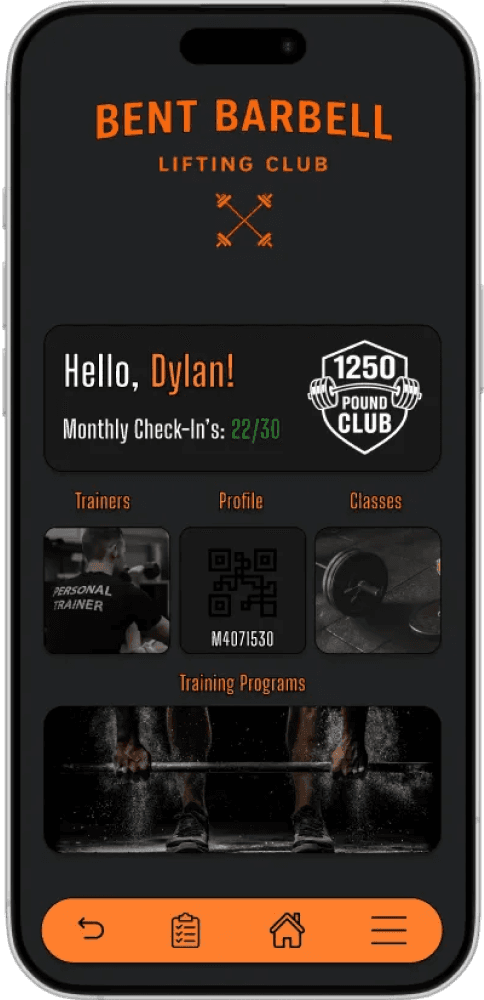
Problem & Opportunity
Members were motivated and performance-driven, but the digital experience didn’t match how they train.
The Problem
Key Issues:
Workouts and programs were hard to access and scattered
Friction during key moments like check-in and workout selection
Weak hierarchy made sessions hard to scan quickly
Inconsistent flows slowed down repeat actions
The Opportunity
This created an opportunity to design a faster, clearer, more repeatable gym experience.
Design Goals:
Reduce cognitive load so users focus on training, not navigation
Create predictable patterns for daily and weekly routines
Surface key actions immediately without clutter
Design an interface aligned with gym culture
Why This Matters
Friction disrupts focus and training momentum
Simpler interfaces lead to faster decisions and consistency
Solution
A simplified, mobile-first workout experience built for speed, clarity, and consistency
Faster Workout Access
Centralized workouts, classes, and programs into a single, easy-to-find location
Reduced time spent searching for the next action
Intended impact:
Help users start workouts quickly without breaking momentum
Action-Focused Home Screen
Prioritized key actions like check-ins, workouts, and progress
Removed unnecessary content and distractions
Intended impact:
Make the next step obvious at a glance
Simplified Navigation
Reduced the number of steps required to move between key flows
Designed navigation around repeat behaviors
Intended impact:
Support faster decisions and smoother workout routines
Improved Visual Hierarchy
Used spacing, contrast, and grouping to guide attention
Emphasized primary actions while minimizing visual noise
Intended impact:
Lower cognitive load during high-focus moments
Built for Real Workout Conditions
Increased tap target sizes and simplified interactions
Considered one-handed use and reduced precision
Intended impact:
Make interactions easier during movement or fatigue
Enable fast, repeatable actions during workouts and check-ins
Reduce cognitive load to support quick, confident decisions
Surface essential information without overwhelming the user
Support consistency across daily and weekly gym routines
Minimize steps required for common actions
Design for one-handed use during active training
Goals
These goals were defined early to guide design decisions and reduce friction during high-focus training moments.
Design Goals:
User Flow Diagram
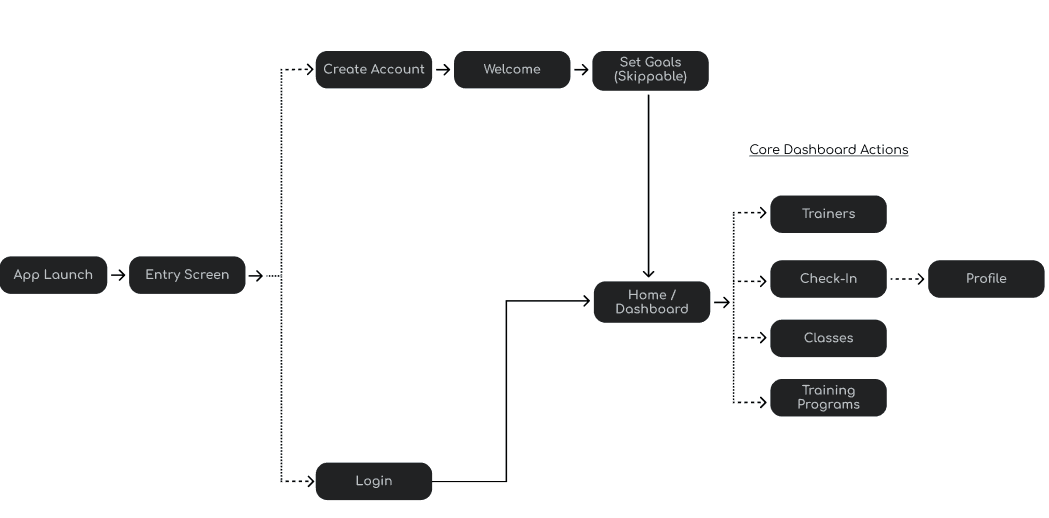
User Flow & Core Experience
The user flow prioritizes speed, clarity, and repeatable actions, allowing members to move
from entry to training with minimal friction.
Core Dashboard Actions
Information Architecture
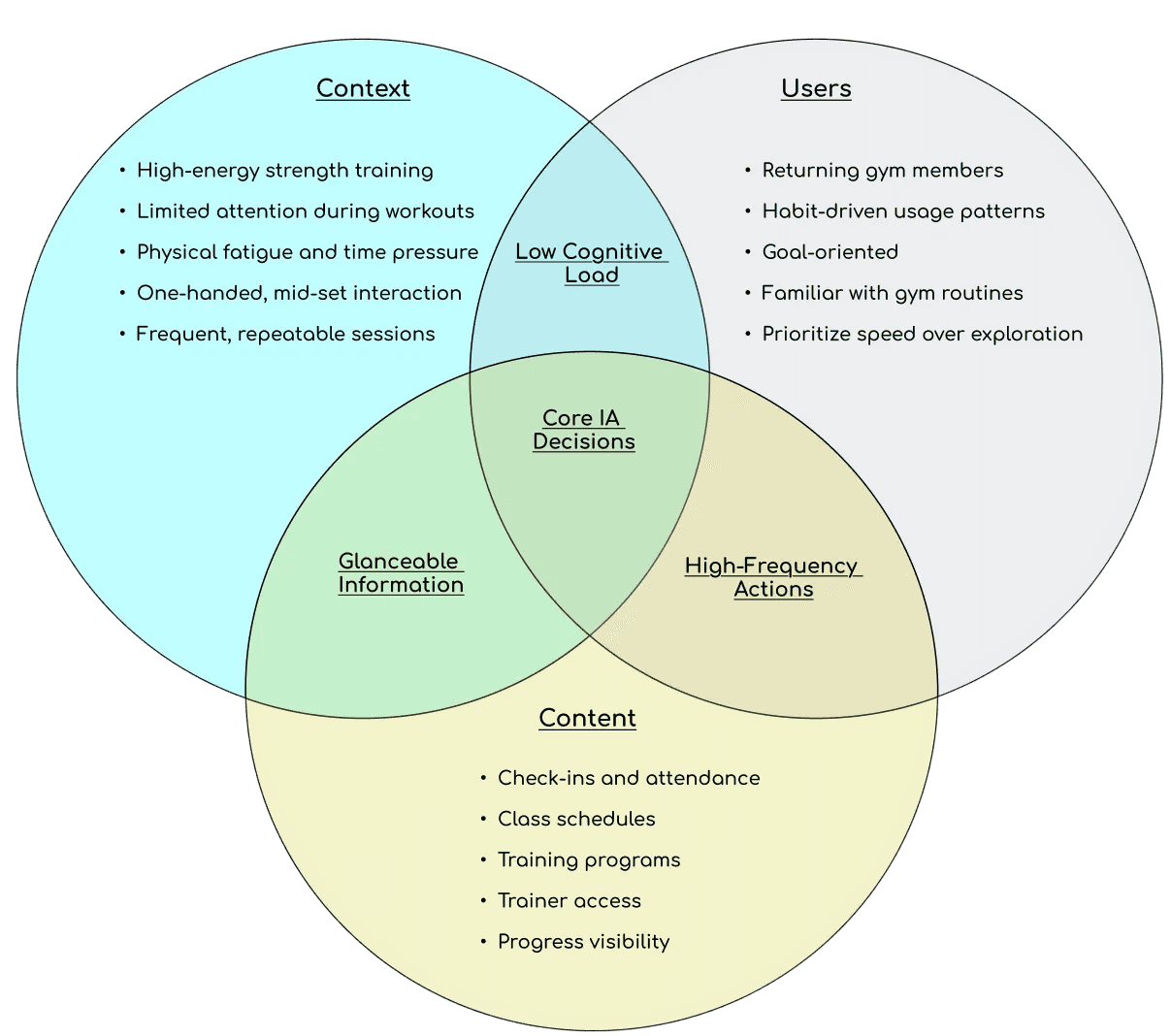
This framework guided key design decisions like prioritizing glanceable information, reducing steps between actions, and supporting one-handed use during workouts.
This intersection shaped an information architecture optimized for speed, clarity, and repeatable training actions.
Structuring the Experience Around Core Actions
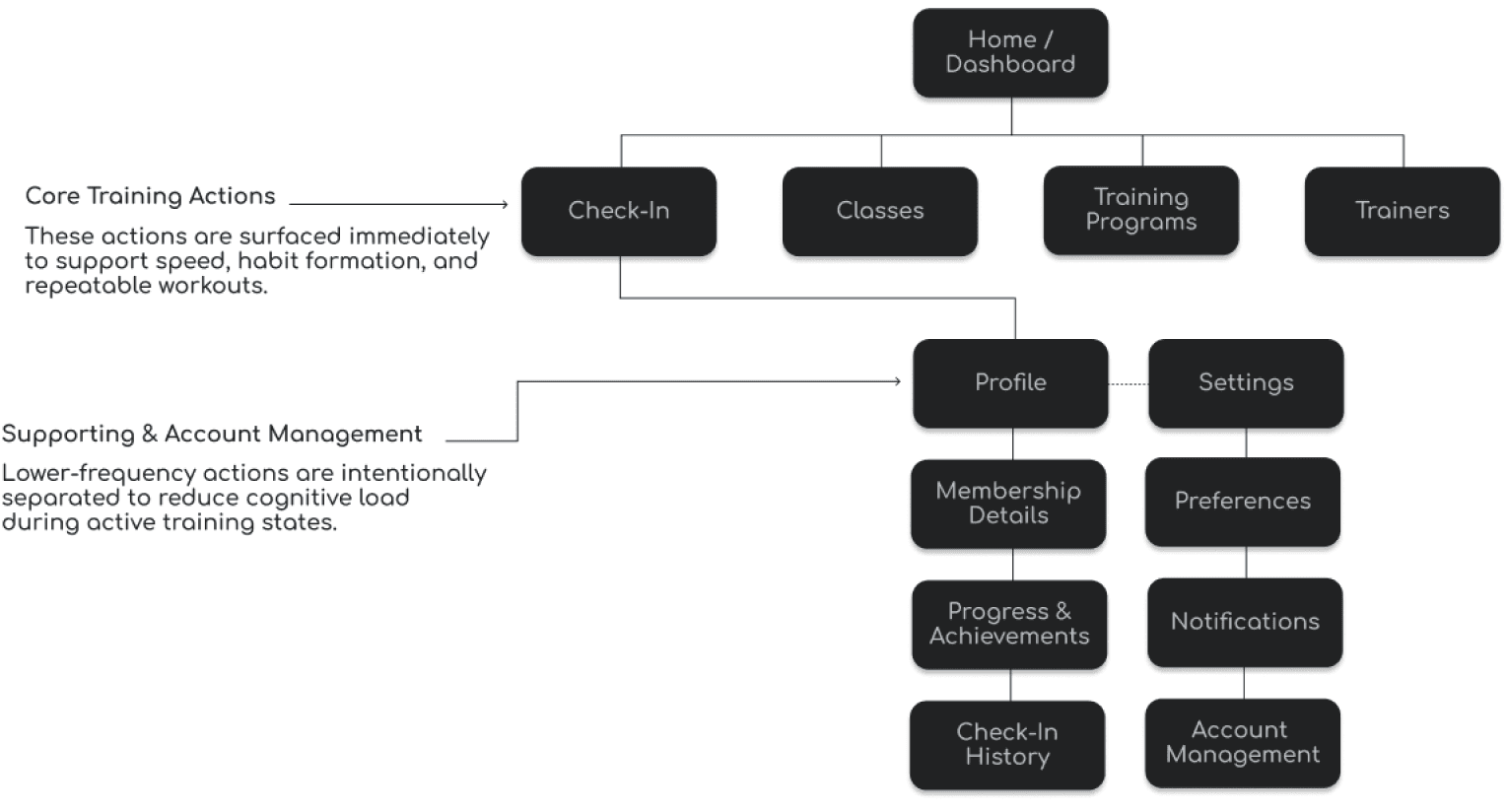
The structure prioritizes speed and repeat behavior by keeping core actions one tap away, while secondary tasks are accessible without disrupting training flow.
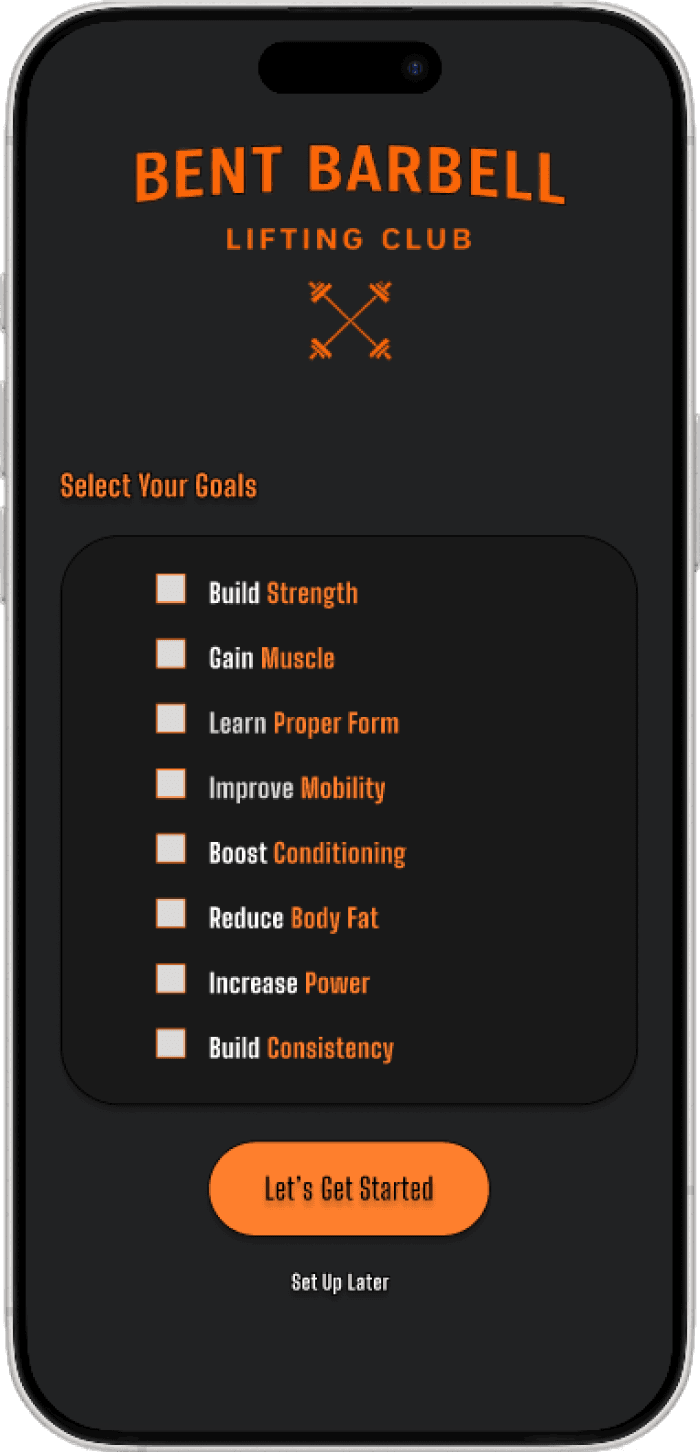
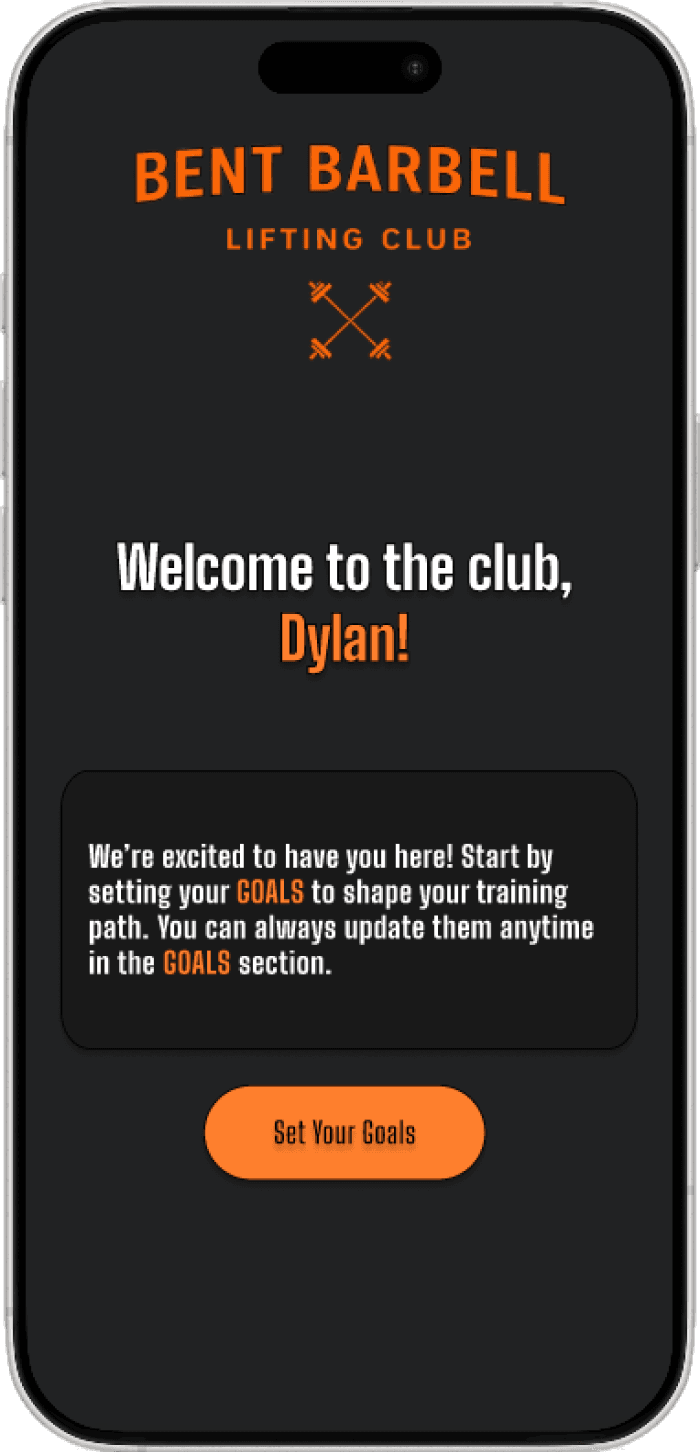
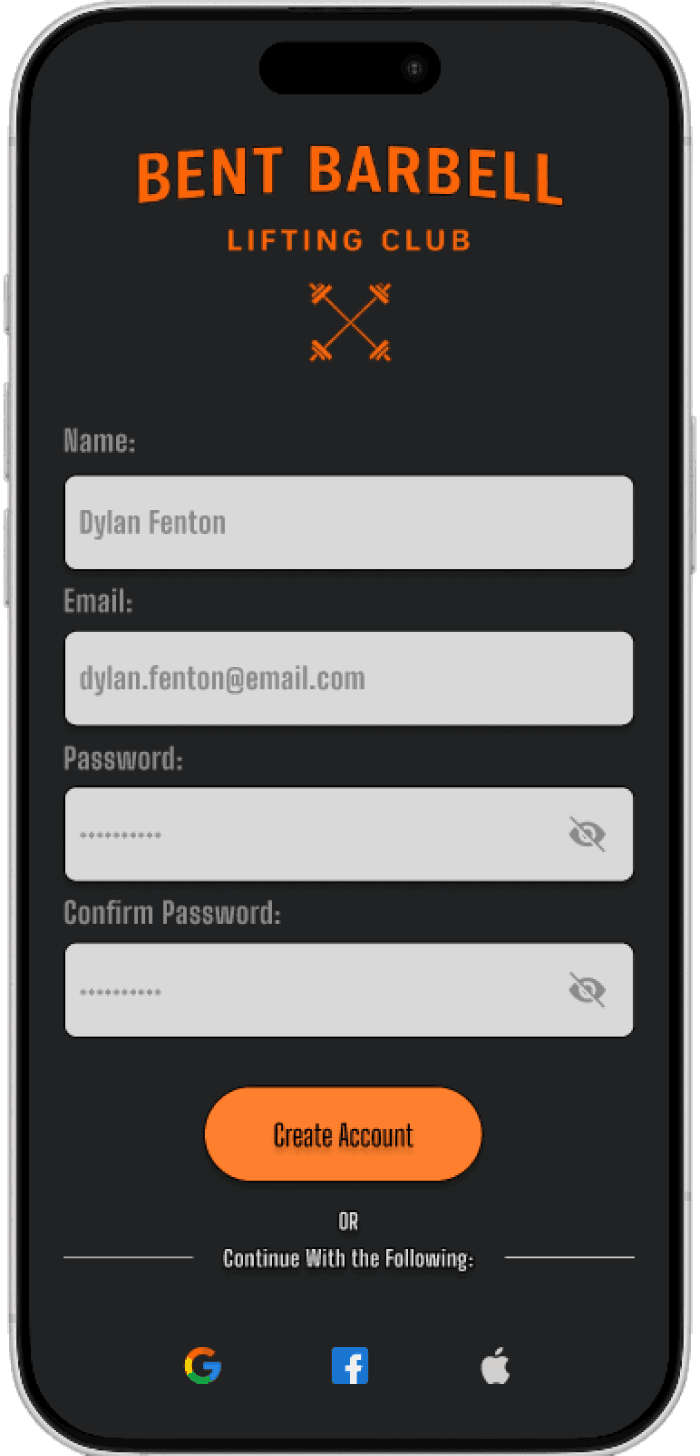
Lo-Fi Wireframes
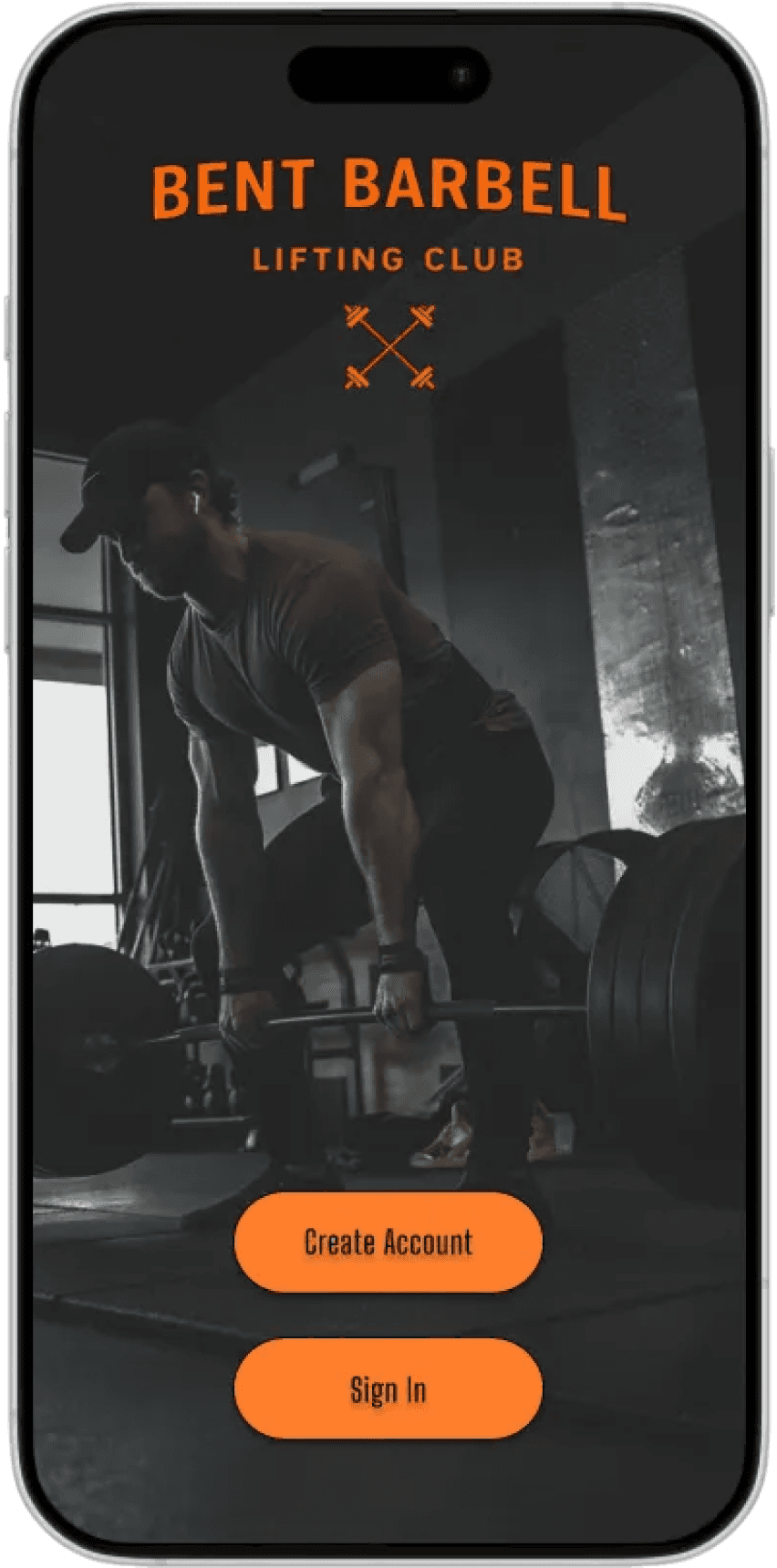
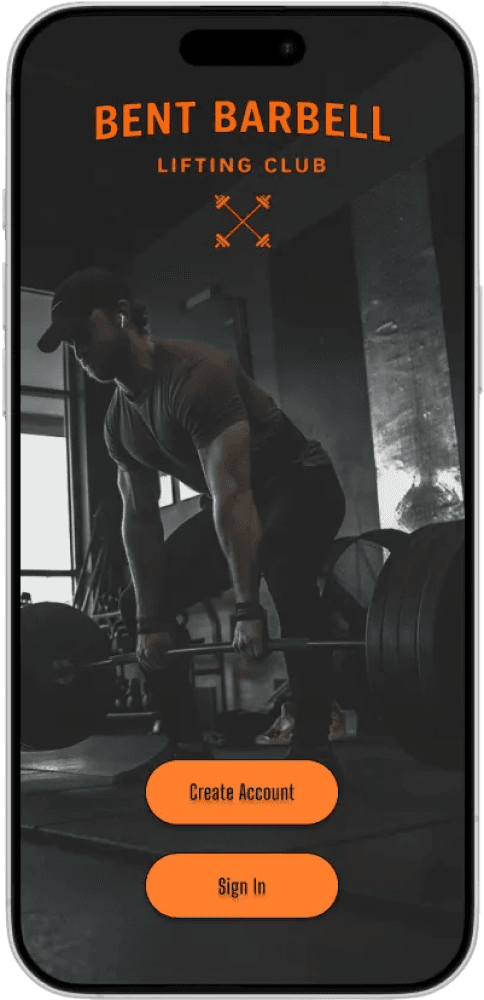
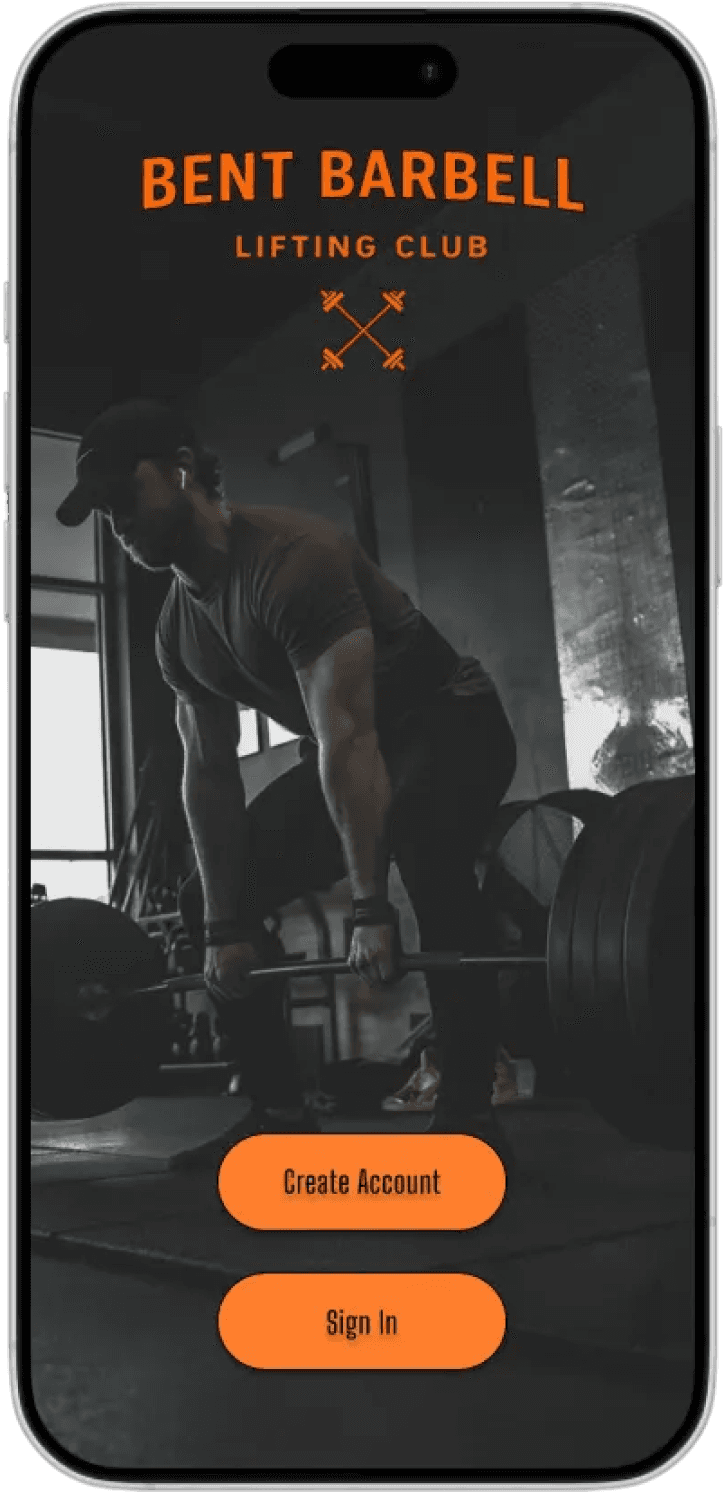
Login / Entry Page
Simplified entry to reduce friction and
quickly move users into the app
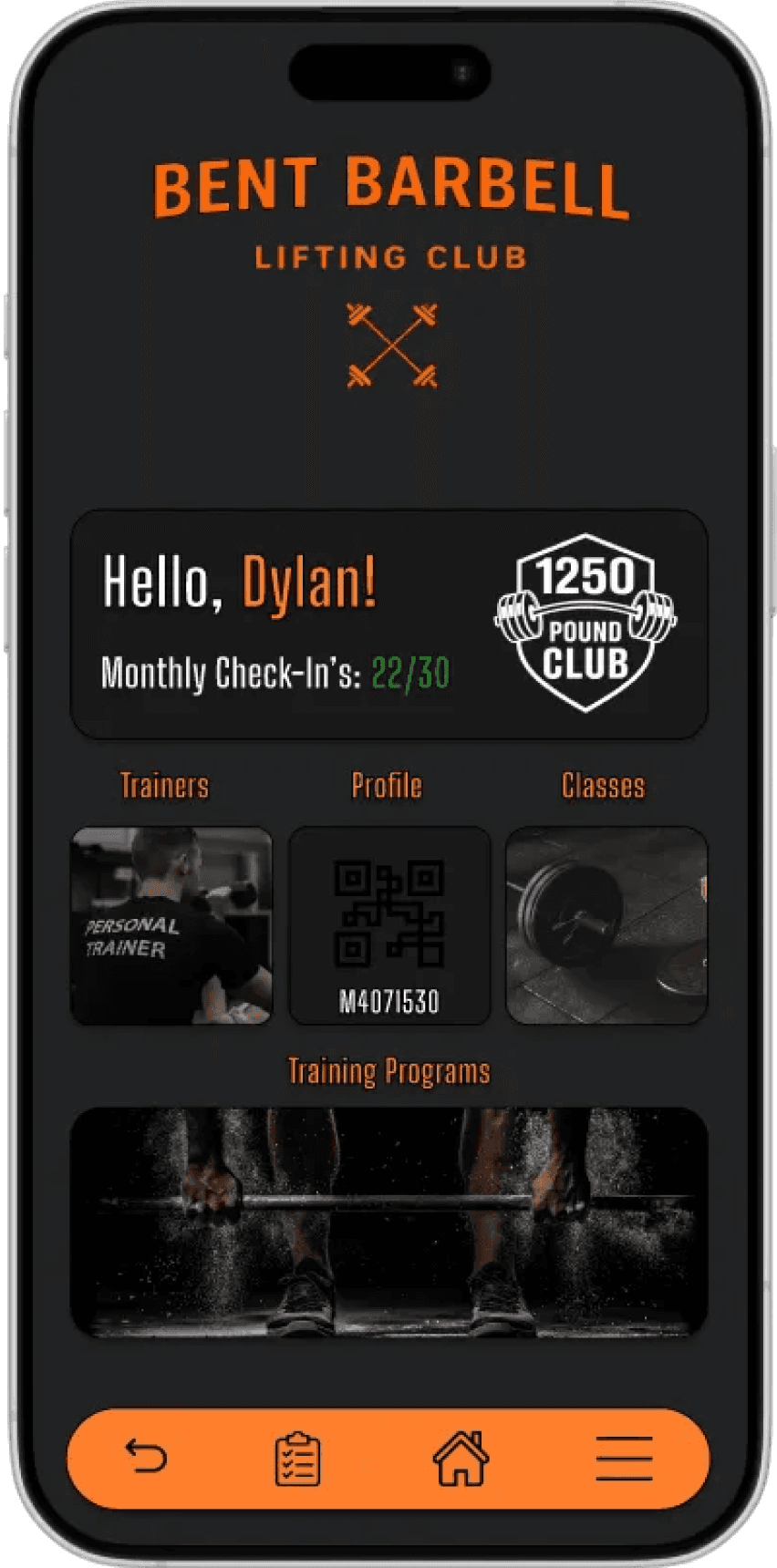
Prioritized core actions like check-in, workouts, and progress to be
accessible in one tap
Primary actions are consistently positioned to reduce learning time
Single-task focus per screen reduces cognitive load
Mobile-first hierarchy prioritizes thumb-reachable actions
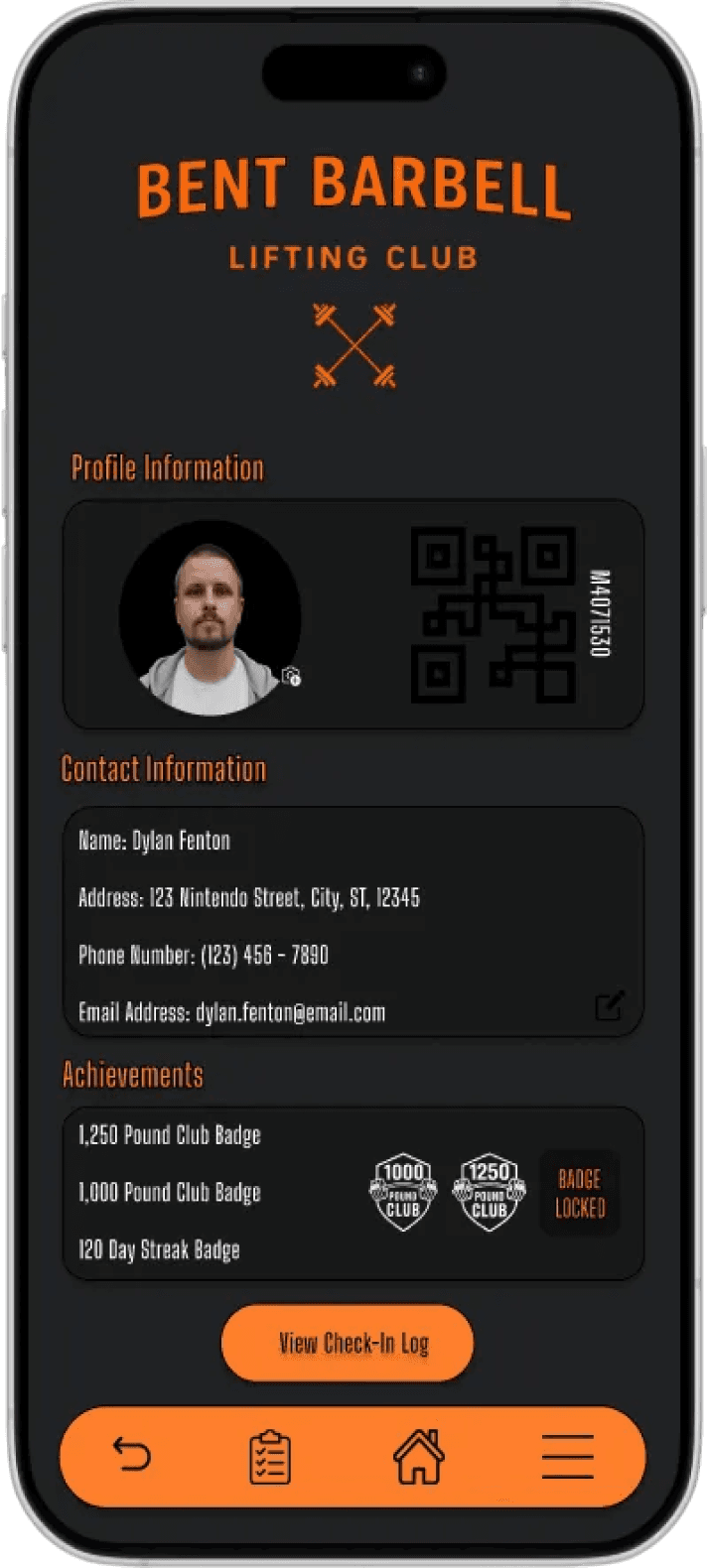
Home
Hi-Fi Screens
Home
Login / Entry Page
One-tap core actions
Clear visual hierarchy
Consistent navigation patterns
Fast, scannable content
Fast, frictionless entry into the app
Core actions surfaced for immediate access
Visual Direction & UI System
Consistent, reusable UI components
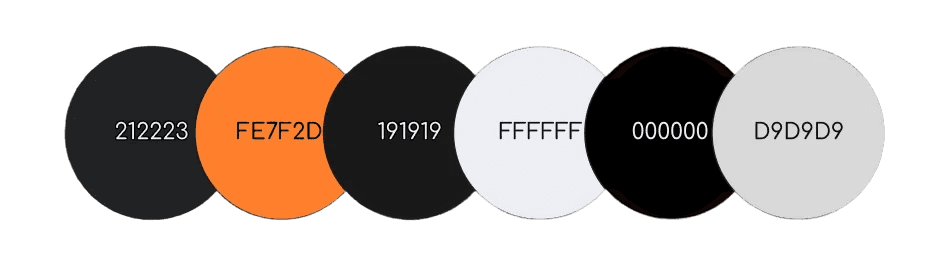
Standardized color and typography system
Accessibility-focused design that scales
Color System
Typography
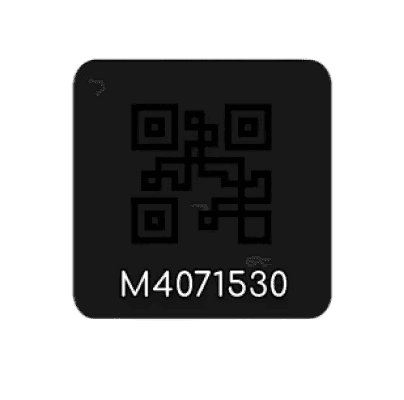
Components
Primary typeface: Big Shoulders Display
Reduced onboarding friction through
step-by-step account and goal setup
Faster repeat interactions using
thumb-reachable primary actions
Clear information hierarchy via
card-based layouts
Predictable navigation patterns
across core screens
Text hierarchy supports quick scanning between sets, with bold headings and legible small-size body text.
Results & Impact
Decisions prioritize reduced cognitive load, progressive disclosure, and real-world fitness UX patterns.
Design Decisions
Simplified layouts reduce cognitive load
Progressive disclosure prevents overwhelm
Designed for one-handed, mobile use
Reusable component system
Scalability
Easy to expand trainers, classes, programs
Adapts to evolving user goals
Reusable components reduce future effort
Supports growth in progress + achievements
Designed to simplify decisions, reinforce habits, and scale with user needs.
Key Outcomes
Reduced onboarding friction
Faster repeat actions
Clear, scannable hierarchy
Consistent navigation patterns
Reflection & Next Steps
Validating structure first led to clearer decisions, faster flows, and more consistent user behavior.
Key Learnings
Structure drives usability
Clear flows reduced rework and improved decisions
Context shapes design
Designed for quick, in-the-moment gym interactions
Consistency builds habits
Repeated patterns improved speed and learnability
Early goals enable personalization
Setup adapts the experience without added complexity
Next Steps
Usability testing
Validate onboarding clarity and task speed
Feedback loops
Expand achievements and habit reinforcement
Accessibility
Improve contrast, tap targets, and motion handling
Scalability
Test expansion across more content and user types